Vital Wealth Management for Senior Residents: Securing Your Personal Legacy
Estate planning is a vital process for seniors, serving as a protection for their legacy. It involves more than creating a will; it includes an in-depth review of assets and healthcare preferences. By understanding the nuances of wills, trusts, and directives, seniors can guarantee their intentions are respected. However, frequent pitfalls can complicate these plans. Exploring these elements can clarify the importance of a well-structured estate plan. What measures should seniors emphasize to safeguard their legacies effectively?
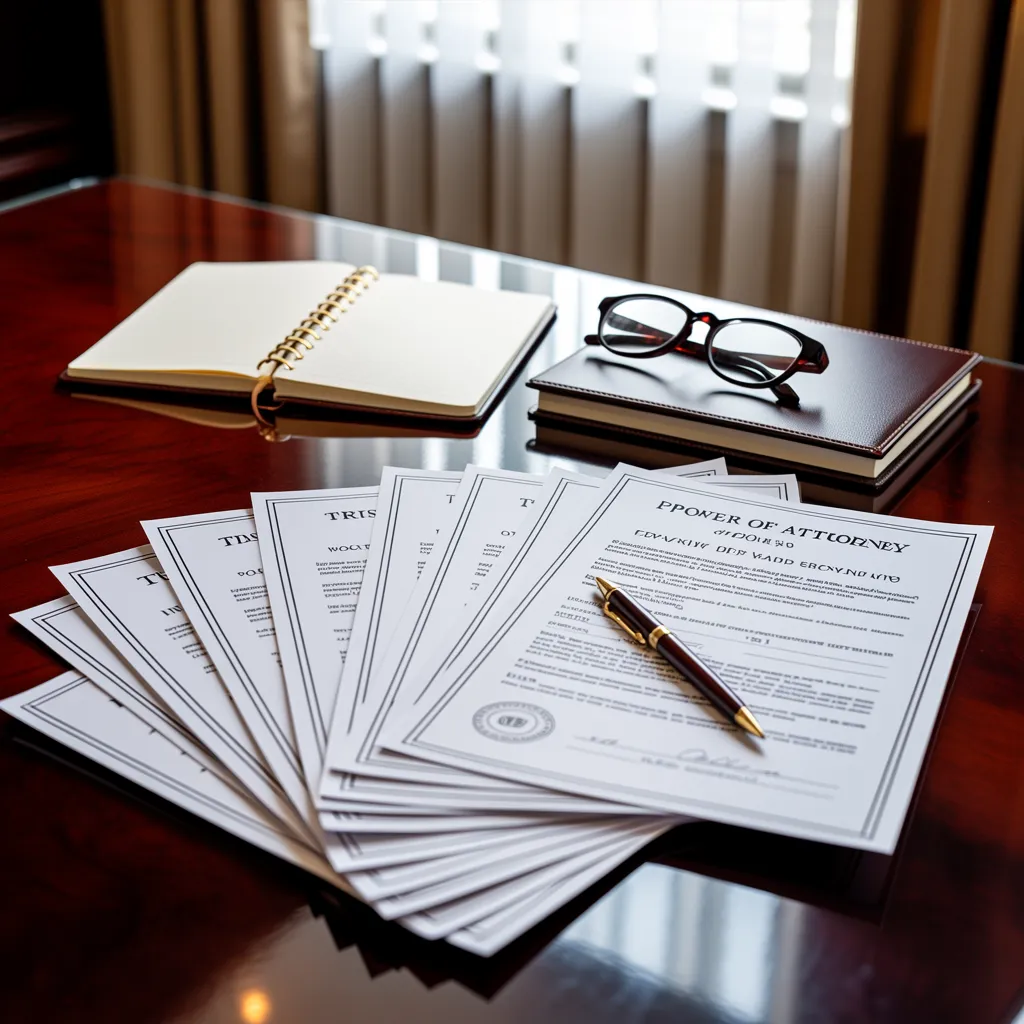
Getting to Know the Basics of Estate Planning for Seniors
Learning the fundamentals of financial planning for estates for seniors is vital, as it ensures that their wishes are honored and their assets are allocated according to their preferences. This process includes a collection of significant phases to guarantee that monetary and legal matters are addressed efficiently. Seniors should start by evaluating their holdings, such as properties, bank accounts, and personal belongings, to develop a clear grasp of their estate's value. Next, they need to think about their healthcare preferences, which can be documented through advance directives or powers of attorney. Determining who will inherit and making sure that they are aware of their duties is also important. By informing themselves about applicable laws and potential tax find now consequences, seniors can decide wisely. Ultimately, a well-structured estate plan not only secures their heritage but also reduces potential stress for family members during difficult times, allowing for a seamless transfer of assets.
Estate Planning: The Function of Wills and Trusts
In property succession, trusts and wills fulfill distinct but complementary purposes. Understanding the function of wills, combined with the benefits and types of trust arrangements, is essential for effective asset management. Clarifying the main distinctions between these instruments can assist seniors make informed decisions about their estate planning strategies.
Understanding Wills' Function
Wills serve as crucial aspects in asset planning, functioning as key legal instruments that dictate how an one's assets will be dispersed upon their demise. They give clear structure, confirming that the departed's wishes are honored, which can help prevent family disagreements. A will allows persons to designate heirs, identify certain property for designated individuals, and even appoint guardians for underage kids. This formal arrangement also streamlines the probate process, facilitating for executors to oversee and allocate the estate. Moreover, wills can feature burial preferences, demonstrating personal wishes. At the end of the day, grasping the purpose of a will is vital for seniors seeking to protect their legacy and ensure their intentions are fulfilled after their death.
Trusts: Benefits and Types
While wills provide important directives for property distribution, trusts offer extra layers of protection and adaptability in estate planning. Trusts can help manage assets during a person’s lifetime and ensure a uninterrupted passage upon death, minimizing the need for probate. They can be customized to specific needs, such as special needs trusts for dependents or charitable trusts that benefit a cause. Additionally, revocable trusts allow for changes as situations evolve, while irrevocable trusts offer tax benefits and asset protection. By employing trusts, seniors can retain control over their assets, protect their legacies, and provide for their loved ones in a structured manner, boosting the overall efficacy of their estate planning strategies.
Primary Differences Illustrated
Although both testaments and trust agreements serve critical roles in estate planning, they differ markedly in form and function. A will is a legal document that outlines the distribution of an individual’s assets upon death, requiring probate to validate its terms. This process can be time-consuming and public, potentially delaying asset distribution. In contrast, a trust allows individuals to transfer assets during their lifetime, bypassing probate and ensuring a more efficient exchange of wealth. Trusts can provide greater privacy and control, as terms can be tailored to specific conditions. Additionally, a trust can offer benefits such as tax advantages and asset protection, making it a versatile tool for all-encompassing estate planning compared to a will's more simple approach.
Key Healthcare Directives Every Older Adult Should Think About
Within the context of estate planning, healthcare directives are critical for seniors to ensure their medical instructions are followed. Living wills and powers of attorney are two significant components that give clarity on healthcare decisions when individuals might be incapable of expressing their desires. Knowing these directives can greatly improve the quality of care and provide peace of mind for both seniors and their families.
Living Wills Clarified
A considerable number of older adults may encounter important medical choices as they age, making living wills a vital part of their end-of-life planning. An living will is a formal agreement that outlines an individual's wishes for healthcare interventions and procedures in the case they cannot express their desires. This instrument helps direct medical professionals and loved ones, guaranteeing that an person's desires regarding resuscitation efforts, comfort care, and other medical procedures are honored. By considering situations such as terminal illness or permanent health problems, living wills offer understanding and peace of mind. Older adults should consider discussing their preferences with family members and medical experts to ensure their advance directive accurately reflects their beliefs and preferences.
Exploring the Power of Legal Representation illustrates how an individual handles affairs on behalf of another.
Many older adults benefit from creating a Power of Attorney (POA) to guarantee their healthcare decisions match their values when they cannot speak for themselves. A POA allows people to designate a reliable person to handle healthcare decisions on their account, respecting their preferences. This essential document can address particular therapies, terminal care, and organ donation preferences. By selecting a healthcare agent, seniors can alleviate the weight on family members who might grapple with difficult choices during an crisis. It is crucial for older adults to talk about their preferences frankly with their selected representative and loved ones, promoting understanding and minimizing possible disagreements. Creating a Power of Attorney (POA) strengthens the overall legacy planning structure, enhancing sense of security for older adults and their loved ones.
Determining the Suitable Executor: Criteria for Selection
Determining the right executor is an essential step in legacy planning, as this individual will be in charge of managing the distribution of property and ensuring that the deceased's wishes are respected. When determining an representative, it is crucial to assess their dependability, ability to organize, and ability to stay impartial during emotionally intense situations. The perfect candidate should have a good grasp of financial matters and legal processes to navigate any challenges that may occur. Additionally, selecting someone who is accessible and willing to assume the duties is important, as this position can be demanding of time. Reliability is paramount, as the representative will handle confidential details and render important choices on behalf of the estate. It may also be beneficial to select an representative who is geographically close, ensuring more convenient communication and coordination throughout the estate settlement process.
Typical Missteps to Prevent in Estate Planning
Determining an fiduciary is just one of many factors that can influence the quality of an estate planning structure. One common mistake senior citizens commit is hesitating on preparing or amending their estate planning needs, which can bring about unintended consequences. In addition, omitting to convey their intentions with family members can trigger confusion and conflict after their departure. Many also overlook tax matters, which could influence the combined value of the estate.
A typical error is not revisiting their plans after significant life changes, such as marriage, divorce, or the birth of a child, which can make previous documents obsolete. Finally, neglecting to consider digital assets, such as online accounts and cryptocurrencies, may cause complications in asset distribution. By steering clear of these challenges, seniors can help ensure that their legacies are maintained according to their desires.
Suggestions for Evaluating and Updating Your Estate Plan
Continuously evaluating and updating an estate plan is essential for ensuring that it properly demonstrates an individual's current wishes and circumstances. Seniors should develop a consistent review practice, preferably every three to five years or after considerable life transitions, such as marriage, divorce, or the birth of a grandchild.
Throughout the evaluation, it's critical to authenticate listed beneficiaries on financial holdings and insurance coverage, as these supplant wills. Older individuals should also evaluate their designated executor or trustee to confirm they remain suitable for the role.
Legal and tax regulations may shift, impacting the estate plan's effectiveness; therefore, consulting an estate planning attorney can provide useful guidance. Additionally, talking about your wishes with family members can reduce misunderstandings and foster transparency. By taking these steps, seniors can help protect their legacy and guarantee their estate plan remains aligned with their intentions.

Common Inquiries Asked Often
What Strategies Can Assist Me Minimize Estate Taxes for My Heirs?
To decrease estate taxes for heirs, one can utilize strategies such as transferring assets to heirs while still living, forming trusts, and taking advantage of tax exemptions and deductions available under current tax laws to reduce taxable estate value.
What happens if I die without an estate planning strategy?
In the event someone passes away without an estate plan, their holdings are distributed under state laws, potentially creating unexpected beneficiaries, probate slowdowns, and increased tax obligations, ultimately making matters difficult for heirs and loved ones.
Can I Modify My Estate Blueprint After It's Been Established?
Yes, an person can modify their will after it has been put in place. Consistent reviews and updates guarantee that the plan embodies present intentions and conditions, addressing any changes in personal or financial situations.
When Should I Evaluate My Beneficiaries? How Frequently Is Recommended?
Your designated recipients should be reviewed at least annually or after significant life changes, such as marriage, separation, or the birth of a child. Consistent reviews ensure that wishes match current circumstances and relationships.
What Is the Function of a Financial Advisor in Estate Planning?
A money professional aids in estate planning by assessing assets, offering tax approaches, and ensuring beneficiaries are appropriately designated. They also help individuals manage complexities, coordinating estate plans with financial goals and personal wishes successfully.
Comments on “Estate Planning for Seniors with Personalized Legal Strategies”